December 23, 2025

Remote work stopped being an experiment. It is how most technology companies operate now. Engineering teams sit in different time zones. Product managers work from different continents. Support staff coordinate across languages and cultures. The tools exist to make this possible. The harder problem is making it sustainable over time.
Remote teams continue to struggle with this. When people share an office, engagement happens naturally. You overhear conversations. You see when someone needs help. You pick up context just by being there. None of this translates to distributed environments automatically.
Leaders who assume it does eventually watch their teams deliver code but lose connection. The work gets done. The people leave. It takes about eighteen months for this pattern to play out.
Here’s what we’ve learned watching remote teams figure it out.

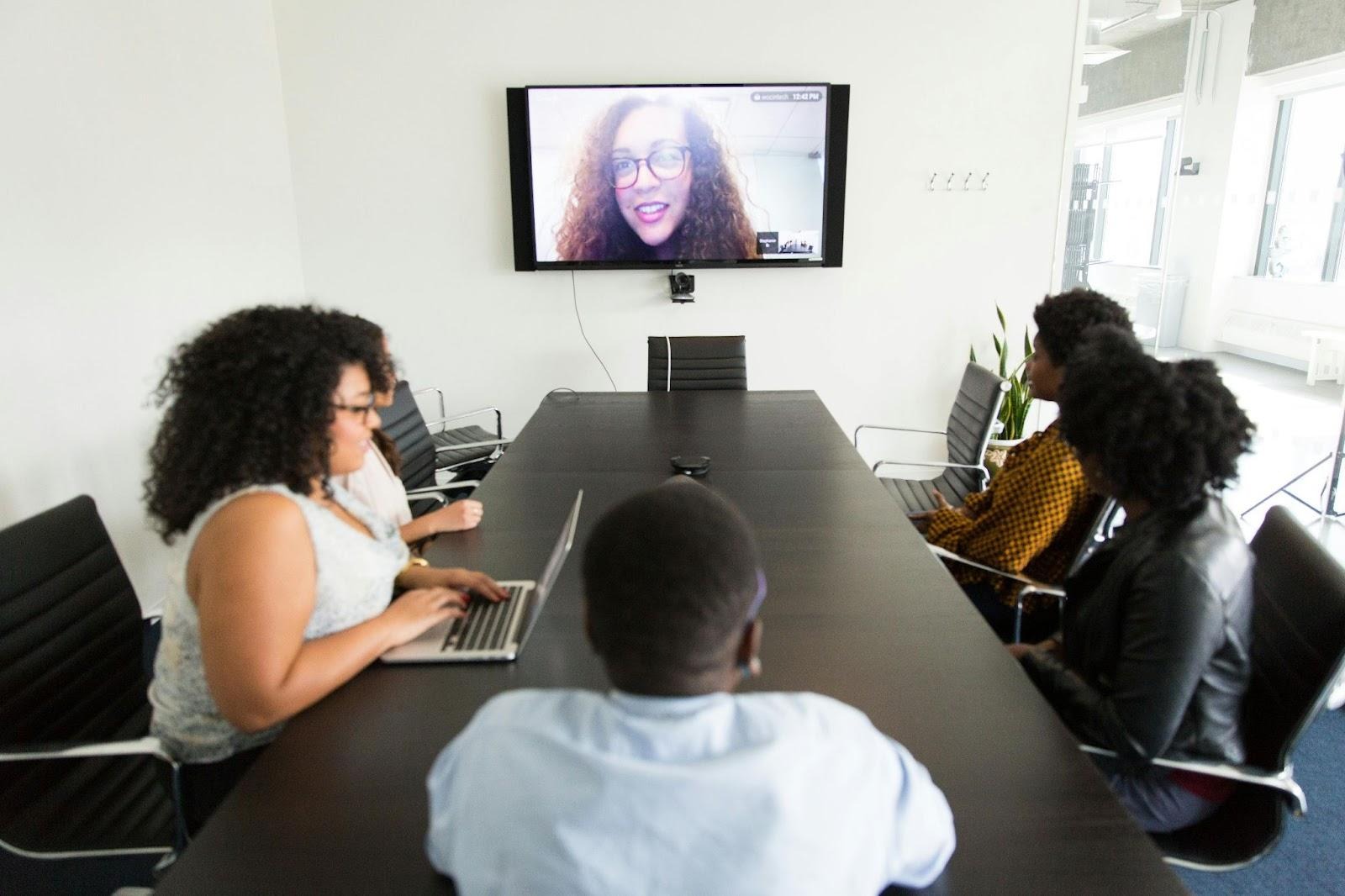
The most common mistake is scheduling meetings that consistently punish the same people. The London team joins calls at 9 AM. The Singapore team joins the same calls at 9 PM. Nobody intends to create this dynamic. It just happens because the people scheduling the calls are usually in London or New York.
Teams that handle this well rotate meeting times deliberately. They accept that no single time works for everyone every week. They record decisions systematically so colleagues who could not attend live have the same information. The goal is not perfect attendance. The goal is making sure everyone gets included eventually.
Some organizations block certain hours each week as meeting-free across all locations. Others use written status updates instead of live check-ins. Rotating times is one solution. Using more asynchronous communication is another. The specific approach matters less than the consistent message that your time is respected regardless of where you sit.
Employees working across borders face practical challenges that on-site workers never encounter. Banking across currencies is complicated. Time off requests must account for local holidays. Tax implications affect compensation. These logistical burdens accumulate into quiet dissatisfaction over time.
Companies serious about distributed engagement remove these barriers systematically. They provide clear guidance about local benefits. They standardize expense reporting across currencies. Mandated team gatherings are exciting to everyone because they mean flexible furnished apartments instead of having to deal with short-term rentals on their own.
These details seem administrative. They feel like engagement because they communicate that the company understands the realities of cross-border work. The organizations that get this right treat logistics as retention work rather than paperwork. The ones that get it wrong wonder why their international employees seem disconnected during meetings.
Distributed teams generate enormous amounts of context that never get captured. Two engineers in the London office have a quick conversation and resolve a design question. The team in Bangalore never hears about it. They keep working under the old assumption until things break during integration.
Here’s an easy workaround: take down notes, not just which decisions are made, or when, but more importantly, how those decisions came to be. No need for formal notetaking rules: just try to keep a record of what went down for people who weren’t there in the room. That could include the options considered, the criteria used, and who went with what option.
Doing this consistently keeps everyone in the loop on how things are done in your company. They can apply the same reasoning to future problems without repeating the same discussions. They stop feeling like they are just receiving instructions and start feeling like participants. New people also onboard faster when they can trace how the system evolved rather than just looking at its current state.
One challenge of distributed work is not knowing what anyone is actually doing. In an office, you can see when a colleague is overloaded or when they have capacity to help. Remotely, those signals disappear. Work becomes invisible until it fails to arrive on time. This creates stress for everyone.
Teams can address this through lightweight status practices focused on availability rather than surveillance. Simple signals about focus time, meeting load, and current priorities help colleagues coordinate. The goal is not tracking hours. The goal is making it easier for people to know when and how to reach each other.
Some teams use shared calendars with designated focus blocks. Others maintain internal profiles showing typical working hours and preferred communication channels. This could be a simple Slack status update each morning describing the plan for the day. The specific approach should match the team's culture.
First-line managers in distributed organizations carry responsibility that their office-based predecessors never faced. They must interpret performance through digital artifacts rather than direct observation. They must detect disengagement before it becomes resignation. They must build trust across distance without shared physical space.
Organizations that succeed with distributed teams invest in manager training specifically for remote contexts. This training covers practical skills like running effective video meetings and interpreting written communication accurately. It also covers recognizing when an employee needs support they are not explicitly requesting. A sudden drop in asynchronous participation may signal burnout rather than laziness. Managers need to know the difference.
Managers also need permission to check in about non-work factors that affect performance. They need frameworks for having difficult conversations through screens. Regular one-on-one meetings now set the stage for the substantive you’ll need later on.
The strongest teams share reference points that have nothing to do with their actual work. They have stories about past projects. They know something about each other's lives. They share jokes and references that build social bonds. In distributed teams, none of this happens by accident.
Distributed teams must manufacture these peer networks intentionally. Some organizations sponsor virtual social activities that accommodate different time zones. Others fund in-person gatherings once or twice per year. Many support informal communication channels where work is explicitly off limits, such as interest-based groups or company games.
The people on your team are humans you might actually enjoy knowing. These connections become the foundation for trust when difficult project conversations become necessary.
Distributed teams do not stay engaged by accident. Distance and time work against connection constantly. Maintaining engagement requires treating it as ongoing work rather than something you fix once. It requires systems that make connection possible and leaders who prioritize those systems consistently.
The teams that solve this problem do not have perfect solutions. They have working approaches that they adjust continuously. They accept that engagement looks different across borders. They commit to figuring it out anyway.
The best distributed organizations recognize that engagement is not a destination but a practice requiring attention from every team member. It means being thoughtful about how people experience their work, day to day, wherever they happen to be located.
The key is to avoid scheduling meetings that always favour one location. You should rotate meeting times so the inconvenience is shared equally over time. Also, record all meetings and document decisions so team members who cannot attend live are still fully informed.
Your employees working across borders often face challenges with cross-currency banking, different local public holidays, and complex tax implications. Proactively addressing these issues makes your team members feel supported and valued.
When your team is distributed, informal conversations are missed. Documenting not just the 'what' but the 'why' of a decision keeps everyone in the loop. It prevents misunderstandings and helps new team members get up to speed on how your company operates.
Managers need specific training for remote contexts. At Beacon Inside, we find it's crucial they learn to spot signs of burnout through digital communication, run effective video meetings, and build trust through regular, meaningful one-on-one conversations.
While not always possible, in-person gatherings are highly effective for building the deep social bonds that are difficult to form online. If you can't meet in person, creating intentional virtual social events and non-work channels is a great alternative to build team cohesion.