
July 31, 2025


For modern trucking and logistics companies, every idle hour is lost revenue. Services like Fleet.care act as an always-on nerve center, coordinating loads, drivers, and roadside issues so trucks keep rolling.

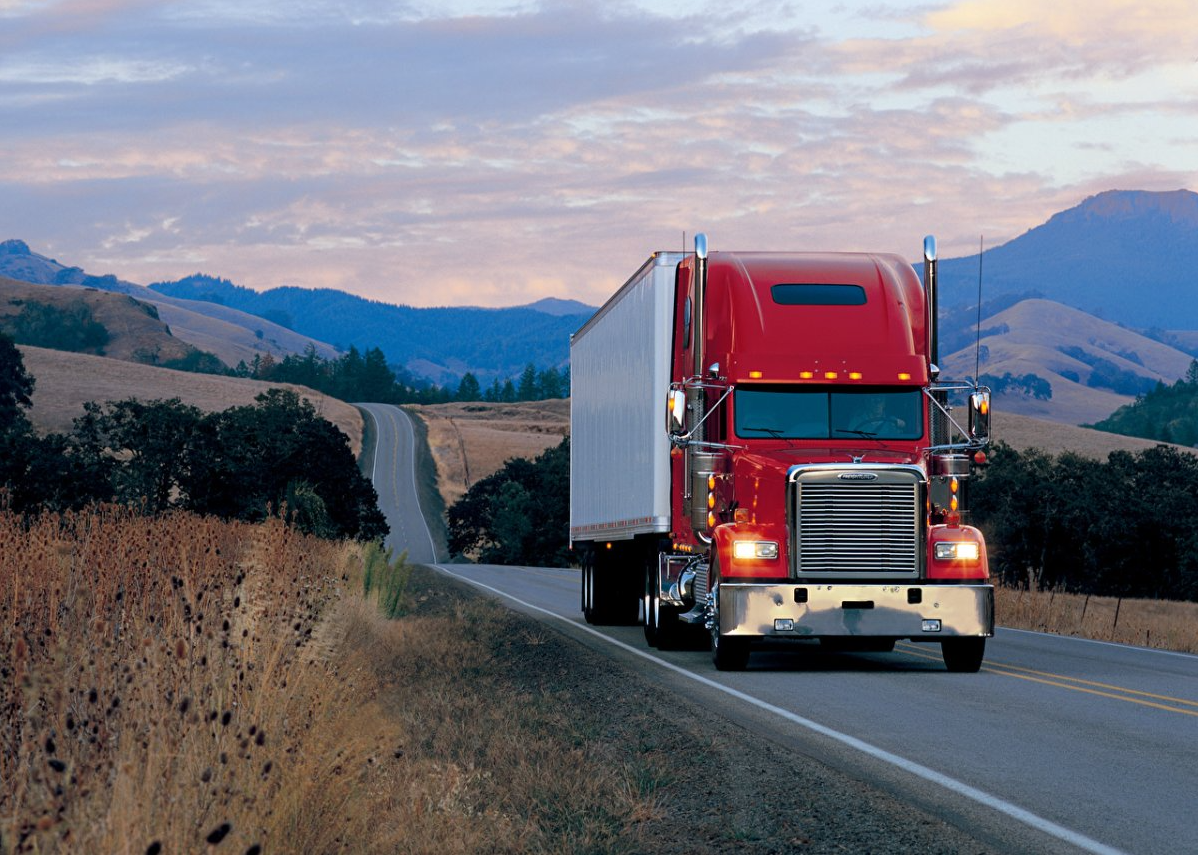
Twenty-four-hour operations are no longer reserved only for the largest fleets. Shippers expect fast updates, brokers work across time zones, and drivers run nights and weekends. Research from road safety agencies links fatigue to more than ten percent of large truck crashes, so delayed help can quickly turn into real risk. When after-hours calls go to voicemail, loads fall through, and problems can quickly turn into missed appointments and extra costs.
Around-the-clock dispatch support changes how your fleet handles the unpredictable parts of the job. It creates a safety net for drivers and a more reliable experience for customers.
These advantages are especially important for fleets that compete with larger carriers for freight and drivers.
Third-party dispatch providers extend your in-house team without the cost of staffing multiple shifts.
When these elements work together, drivers receive consistent answers instead of a different story from each person they call.

A live dispatcher at any hour does more than assign loads. It supports safer decisions on the road.
These effects show why nonstop support matters for both safety and service.
The value of twenty-four-hour coverage depends on how you operate today and where you plan to go.
If the numbers and feedback show that after-hours problems are frequent, structured 24/7 dispatch support is likely to pay for itself.
Round-the-clock dispatch is no longer a luxury for only the biggest carriers. It is a practical way for growing fleets to give drivers real support, protect customer relationships, and turn unexpected events into manageable tasks instead of emergencies. By partnering with a reliable 24/7 dispatch provider or designing your own coverage, you keep trucks moving, reduce burnout for owners and managers, and create a calmer path to stable growth.
The primary benefits include faster responses to on-road incidents, better use of driver hours of service through immediate re-planning, the ability to accept more loads at any time, and reduced driver frustration, which helps with retention.
A constant dispatch presence helps drivers make safer choices, like resting instead of driving while fatigued. It also allows for real-time monitoring of service hours, which helps prevent costly compliance violations before they happen.
Yes, your customers will benefit from enhanced relations. With a 24/7 service, you can provide proactive updates about any delays or changes, which keeps them informed and satisfied, protecting your business's reputation.
No, it's no longer a luxury just for large carriers. Growing fleets can use services like those from Beacon Inside to provide excellent driver support, manage unexpected events effectively, and compete for more freight and better drivers.
You should evaluate your need by counting how many after-hours or weekend issues you currently handle. Also, consider the amount of revenue tied to loads outside standard office hours and ask for driver feedback on the support they receive.
