
June 13, 2025

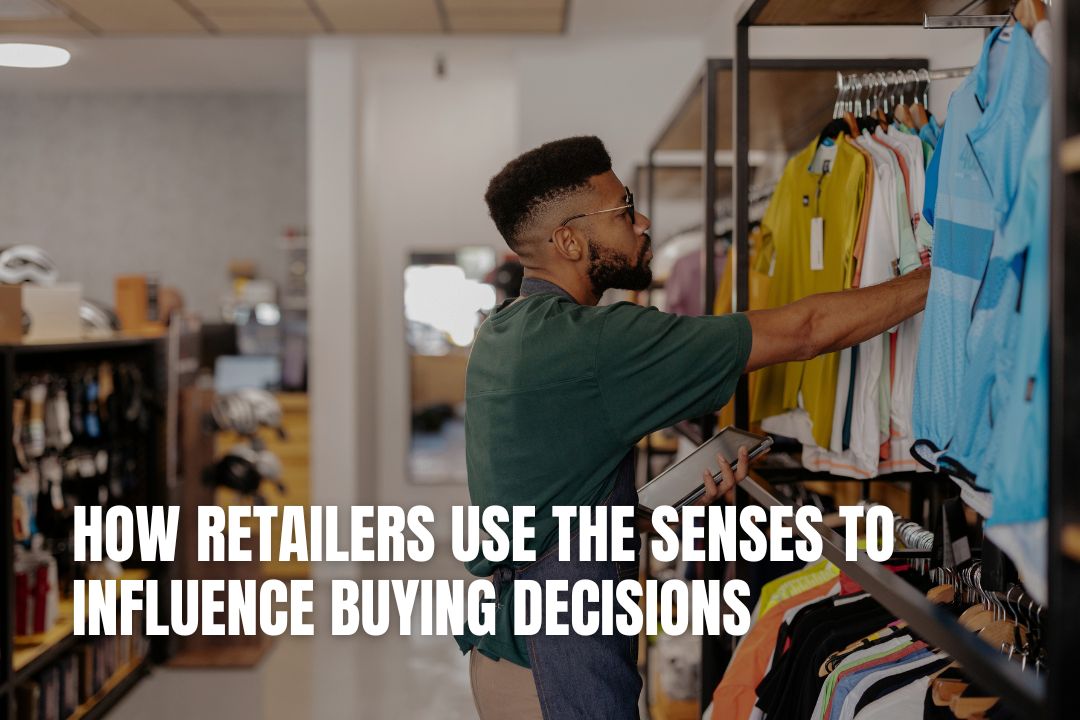
Retail businesses compete for customer attention in crowded physical and digital markets. Product quality and pricing still matter, though customer experience increasingly affects how people shop, how long they stay, and what they remember after leaving a store.


Visual presentation remains one of the strongest influences in retail environments. Lighting, color, layout, signage, and product placement all affect how customers move through a space. Bright lighting may create energy in fast-paced retail environments, while softer lighting often supports slower browsing behavior in luxury settings.
Store organization also matters. Clear pathways and uncluttered displays help customers focus more easily on products without feeling distracted or rushed. Digital screens and interactive displays have become more common as retailers look for additional ways to attract customer attention inside stores.
Music affects customer mood, pace, and overall shopping experience more than many businesses realize. Faster music may increase movement in busy retail locations, while slower music often encourages longer browsing periods. Volume levels also matter because loud environments may reduce customer comfort and shorten visits. Retailers frequently choose playlists that match their target audience and overall brand image.
Sound design extends beyond music as well. Product demonstrations, customer announcements, and ambient background noise all contribute to how shoppers experience a retail environment.
Physical interaction often increases customer confidence before purchase decisions. Shoppers are more likely to spend time evaluating products they can hold, test, or examine closely. This is especially important for clothing, furniture, beauty products, and electronics, where texture, weight, or material quality influences buying behavior directly.
Interactive retail systems also support engagement. Some stores now work with self-service kiosk manufacturers to create digital stations where customers can browse inventory, customize products, or complete purchases independently. Physical interaction helps create stronger product familiarity during the shopping process.
Scent plays a powerful role in customer memory and emotional response. Many retailers use subtle fragrances to create consistent store experiences that customers associate with comfort or product quality. Clean scents are often used in wellness or beauty environments, while food-related businesses may rely heavily on natural cooking aromas to attract attention.
Environmental comfort also affects shopping behavior. Temperature, air quality, and crowding influence how long customers remain inside stores. Retail environments that feel stressful or uncomfortable may reduce customer engagement and shorten visits.
Online businesses cannot fully replicate physical sensory experiences, though many companies are adapting similar principles digitally. Website layout, product videos, sound design, and mobile responsiveness all influence how customers perceive products online. Clear product photography, interactive tools, and personalized recommendations help digital retailers create more engaging experiences despite the absence of physical interaction.
Retail businesses continue studying how sensory experiences affect attention, memory, and customer behavior. Visual design, sound, touch, and environmental comfort all influence how shoppers respond during purchasing decisions. For more information on using the science of the senses to sell, feel free to look over the accompanying resource below.

Visuals are often the first thing your customers notice. Effective lighting, clear pathways, and well-organised displays guide shoppers, influence their mood, and help them focus on your products without feeling overwhelmed or rushed.
Yes, it certainly can. Music influences your customers' pace and overall mood. Slower music tends to encourage longer browsing times, which can lead to more discoveries and purchases, while faster music might be better for a quick-service environment.
If direct interaction isn't an option, you can still engage customers through other physical means. Consider using high-quality interactive kiosks where they can explore product details or customisation options. This gives them a tactile way to connect with your inventory.
Scent is powerfully connected to memory and emotion. By using a subtle, pleasant fragrance in your store, you can create a memorable experience that customers will associate with your brand long after they've left.
While you can't replicate the physical experience, you can appeal to the senses digitally. Use high-resolution product photos and videos, create a clean and intuitive website layout, and ensure your site is responsive. These elements combine to form a positive sensory impression for your online visitors.