August 14, 2025

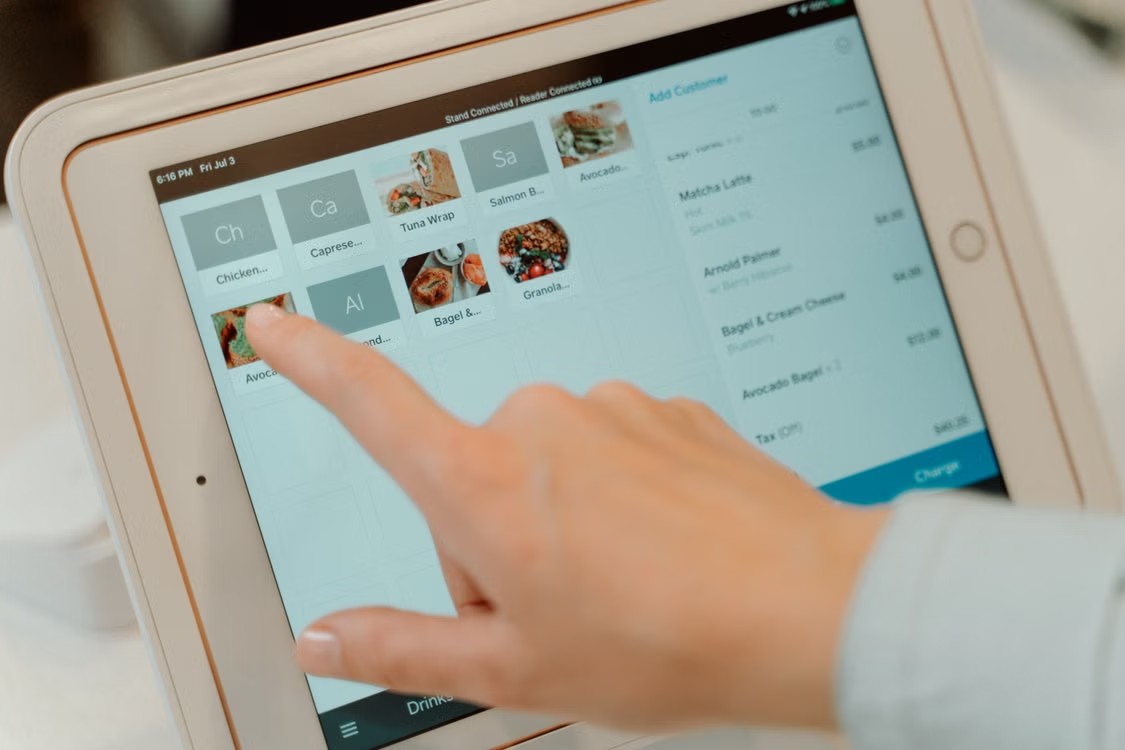
Digital ordering has become a standard part of restaurants, coffee shops, and other food businesses. Customers can place orders through mobile apps, websites, self-service kiosks, QR codes, and traditional point-of-sale systems. Yet adoption is rarely uniform across age groups. Generational preferences can influence which channels customers choose, what frustrates them, and which features they value.

Gen Z has grown up with smartphones, digital wallets, and app-based services. For many younger customers, ordering food through a phone requires little adjustment.
Speed matters, but control does too. Digital menus allow customers to compare choices, modify ingredients, check prices, and complete payment without waiting for an employee. Saved preferences and digital wallets can make repeat orders even faster.
Poor design can quickly become a problem. An app that requires unnecessary account creation, loads slowly, or hides fees until checkout adds friction to what should be a convenient and easy process.
Millennials also tend to be comfortable with digital ordering, particularly when it saves time. Mobile ordering can be useful during a workday, while family orders may be easier to organize online than verbally at a busy counter.
Loyalty programs can play a larger role in these transactions. When ordering, payment, rewards, and previous purchases exist within the same system, customers can complete routine orders with fewer steps. Our article on strengthening customer loyalty through exceptional experiences goes deeper on that point.
Restaurants should still watch for feature overload. Adding pop-ups, repeated upsell prompts, and complicated rewards rules can make a straightforward transaction feel unnecessarily long.
Gen X customers may comfortably switch between online and traditional ordering depending on the situation. Someone might order lunch through an app during the workweek but prefer speaking with an employee when dining out with family.
That flexibility makes consistency especially important. Prices, available menu items, promotions, and customization options should match across channels whenever possible. For more on this, read our look at the benefits of technology in customer service.
Information from POS companies can also help operators compare ordering channels, transaction sizes, and purchasing patterns. Rather than assuming one generation behaves a certain way, businesses can examine their own transaction data for evidence.
Many baby boomers regularly shop and bank online, so age alone should never be treated as evidence of low digital ability. Still, some customers may be less familiar with restaurant kiosks or QR-code ordering.
Readable text, clearly labeled buttons, straightforward navigation, and visible confirmation screens can make digital ordering easier for everyone. Restaurants should also consider maintaining an employee-assisted option rather than requiring every customer to use a smartphone or kiosk.
Accessibility deserves attention as well. Visual, hearing, mobility, or dexterity limitations can affect digital interactions at any age.
Digital ordering succeeds when customers can complete a transaction without unnecessary effort. Generational differences can help businesses identify potential preferences, but good design crosses age groups. Clear menus, consistent pricing, accessible interfaces, reliable technology, and multiple ordering options give customers more control over how they interact with a business. For more information, feel free to look over the accompanying infographic below.

Gen Z is generally comfortable with it, but they still dislike slow apps, forced account creation and fees that only appear at checkout.
Efficiency. Loyalty rewards, payment and past orders in one system let them complete routine orders in fewer steps.
Keep prices, menu items, promotions and customization options consistent across the app, website, kiosk and counter.
Many shop and bank online, so age alone is a poor guide. Clear design and an employee-assisted option help those who are less familiar with kiosks or QR codes.
Review transaction data by channel, order size and purchasing pattern instead of relying on generational assumptions.