October 30, 2025


Every retail store has zones that attract attention and areas customers tend to pass by quickly or miss entirely. These low-traffic sections often represent lost opportunity rather than flawed merchandise. With planning, layout adjustments, and engagement strategies, underused areas can become valuable contributors to overall store performance.

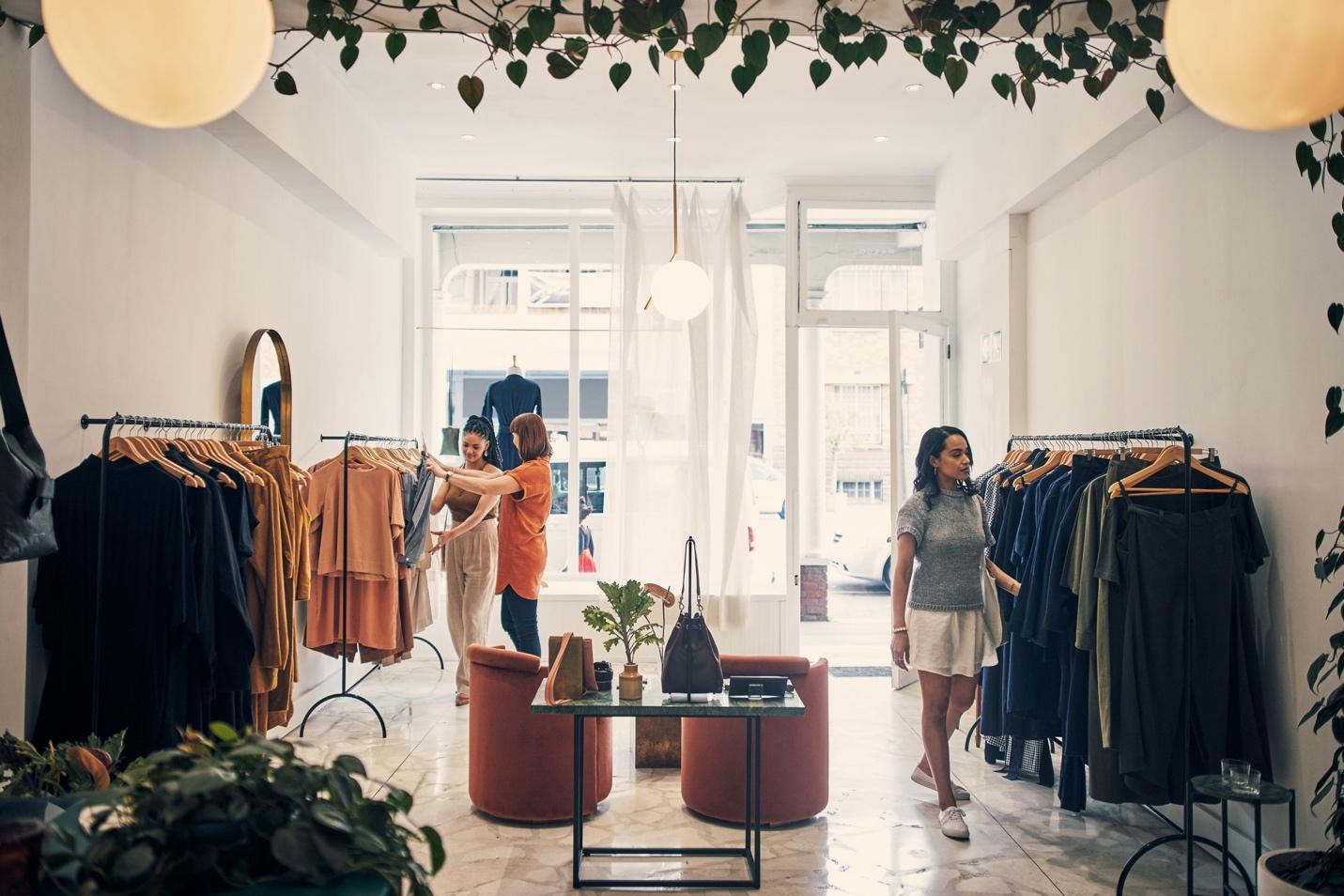
The first step is identifying why certain areas remain quiet. Poor sightlines, narrow aisles, and unclear pathways frequently discourage exploration. Customers instinctively follow visual cues, so spaces that feel closed off or disconnected from the main flow are easy to overlook.
Data from foot traffic sensors, sales reports, and staff observations can highlight patterns. Understanding how shoppers move through the space allows retailers to make informed adjustments instead of guessing.
Small layout changes can significantly affect movement. Lower fixtures near entry points improve visibility into deeper sections of the store. Angled shelving, open displays, and wider aisle transitions encourage customers to drift naturally rather than turn back.
Flooring changes, lighting shifts, or ceiling features can subtly guide shoppers forward. These cues signal progression without requiring signage or staff direction.
Lighting does more than illuminate products. Focused lighting draws attention and creates visual landmarks that pull shoppers toward less-visited zones. Warmer tones can make areas feel inviting, while brighter light highlights featured items or new arrivals.
Consistent lighting quality throughout the store also matters. Dim or uneven illumination often signals low importance to customers, even if the merchandise deserves attention.
Low-traffic areas perform better when they serve a clear role. Seasonal collections, limited releases, or bundled items give shoppers a reason to explore beyond their usual path. Rotating displays prevent sections from feeling static or forgotten.
Placing complementary products together can also increase dwell time. When customers see logical connections, they are more willing to browse and discover items they did not plan to buy.
Strategic messaging can wake up quiet corners. Screens, interactive displays, and concise prompts communicate value quickly. Used thoughtfully, technology adds energy without overwhelming the environment.
Outdoor digital signage can also support interior traffic by promoting in-store features from outside the building. When customers enter with specific sections already in mind, they are more likely to seek them out instead of staying near the entrance.
Staff presence influences movement patterns. Team members positioned near low-traffic zones naturally draw customers into those areas. Simple actions such as greeting shoppers, offering guidance, or highlighting nearby displays increase engagement.
Training staff to rotate positions ensures attention is distributed evenly across the store rather than concentrated at high-volume counters.
Low-traffic retail areas are not fixed problems. They reflect how space, messaging, and movement intersect. With thoughtful design choices, purposeful placement, and consistent activation, these quiet zones can become productive extensions of the shopping experience. When every part of the store contributes, overall performance improves without expanding square footage. Look over the infographic below to learn more.

Your first step should be to diagnose why the area has low traffic. Instead of guessing, use data from foot traffic sensors, sales reports, and observations from your staff to understand customer behaviour and movement patterns. This information will guide your strategy.
Yes, absolutely. Simple adjustments can have a big impact. Things like lowering fixtures to improve sightlines, widening aisles, or using angled displays can encourage customers to move more freely and explore parts of the store they might otherwise miss.
Lighting is a powerful tool for directing attention. You can use focused spotlights to highlight specific products or create visual landmarks. Using warmer lighting can also make a space feel more welcoming, encouraging shoppers to enter and browse.
Give the area a clear purpose. It's a great spot for seasonal collections, limited releases, or special promotions that give customers a specific reason to visit. You can also group complementary products together to encourage longer browsing sessions.
Your team plays a crucial role. By positioning staff members in or near these quiet zones, their presence naturally draws customers over. Training them to greet shoppers and highlight nearby products can effectively turn an underused area into an active one.
