
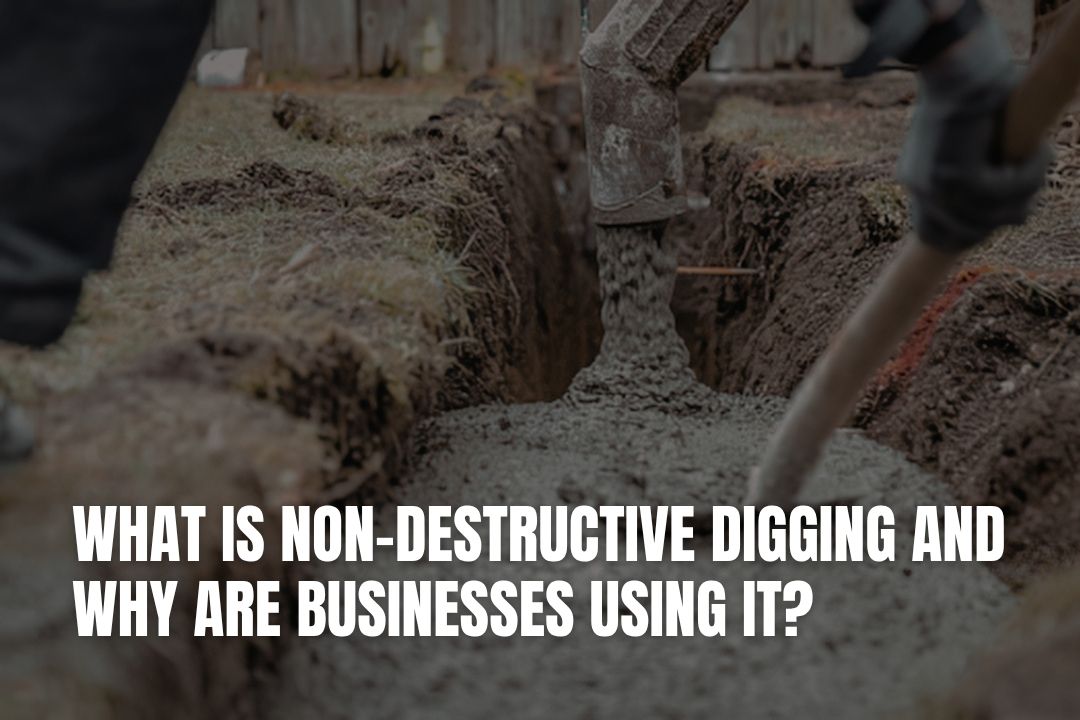
In modern construction, maintenance, and utility projects, excavating underground infrastructure can be challenging. Traditional digging methods often come with risks such as damaging existing utilities, creating unnecessary disruptions, and incurring higher costs. That’s where non-destructive digging in Sydney has emerged as a game-changer.

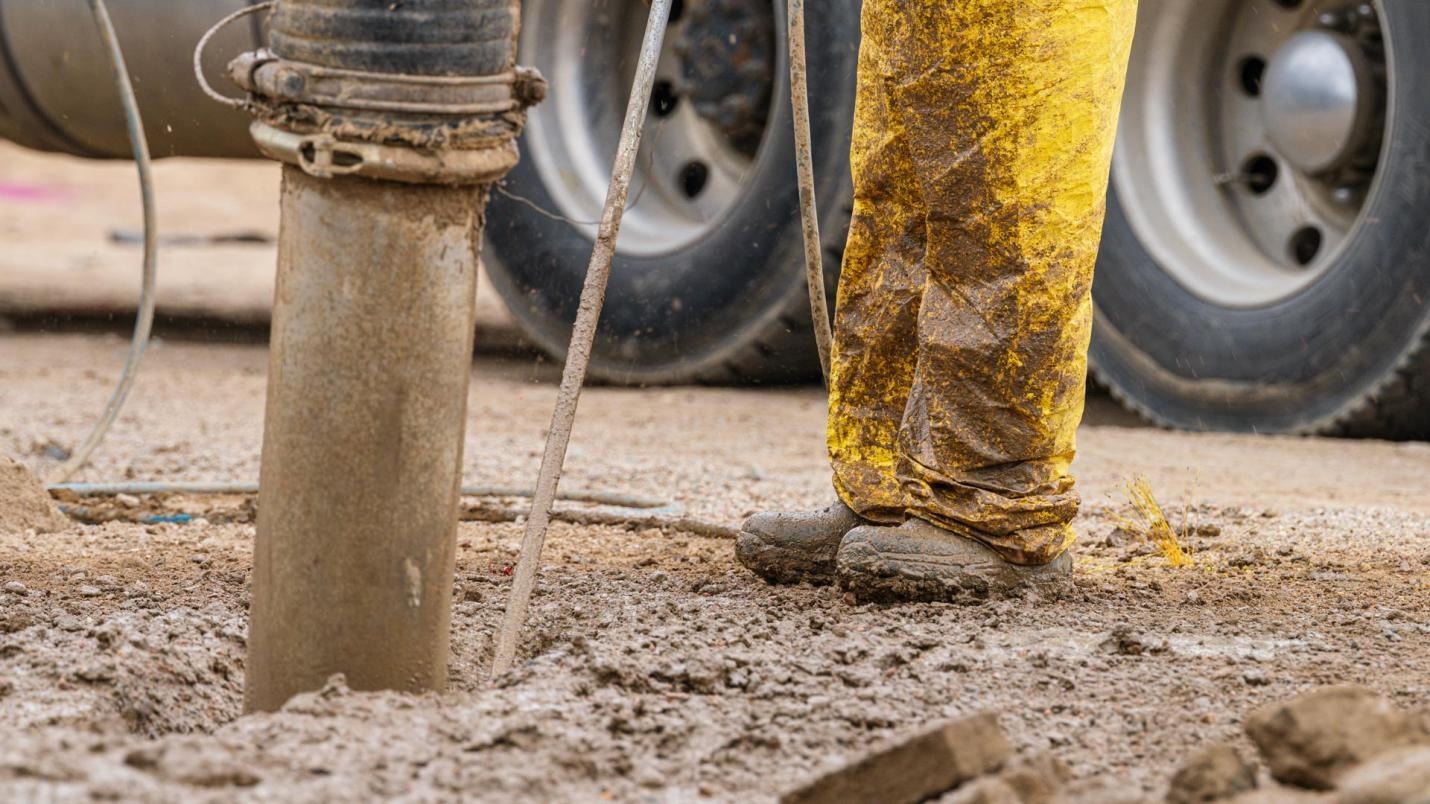
This innovative approach allows businesses to safely and efficiently access underground assets without causing unnecessary destruction to the surrounding environment. In this guide, we’ll explore what non-destructive digging is, its techniques, advantages, and why Sydney businesses are increasingly adopting it.
Non-destructive digging (NDD) is a method of excavating soil or accessing underground utilities without causing damage to surrounding infrastructure. Unlike traditional excavation that relies on heavy machinery and large-scale digging, NDD uses precise, controlled techniques to minimise impact.
Also known as vacuum excavation, soft digging, or hydro excavation, NDD is commonly used in urban areas, construction sites, and locations with complex underground networks.
Non-destructive digging typically involves:
This combination allows operators to pinpoint and expose underground assets safely and efficiently.
Hydro excavation uses high-pressure water to break up soil. The slurry created is then vacuumed away. This technique is ideal for areas with fragile underground utilities or compacted soil.
Air excavation employs compressed air to loosen the soil without disturbing surrounding infrastructure. It is particularly useful in rocky or highly compacted areas.
Vacuum excavation involves suction to remove loose soil or debris. This method is precise and minimises the risk of damage to pipes, cables, and other underground assets.
Sydney businesses are increasingly choosing NDD because it offers numerous benefits over traditional excavation methods:
Traditional digging can inadvertently damage underground utilities, leading to hazardous situations, service interruptions, or accidents. NDD reduces the risk of hitting gas lines, electrical cables, or water pipes, ensuring safety for workers and the public.
Non-destructive digging allows for targeted excavation, exposing only the areas necessary for the project. This precision prevents unnecessary damage to landscaping, road surfaces, or surrounding infrastructure.
Although the initial equipment or service cost may be higher, NDD reduces expenses related to repairing damaged utilities, site restoration, or project delays caused by accidents.
Because it avoids large-scale excavation, NDD preserves the natural landscape, reduces soil displacement, and limits environmental impact.
Businesses operating in urban Sydney often cannot afford extended downtime due to construction. NDD ensures projects proceed quickly, with minimal disruption to traffic, operations, or neighbouring properties.
Non-destructive digging is versatile and used in a wide range of industries and projects:
The adoption of non-destructive digging Sydney techniques has surged due to the unique challenges faced in urban environments.
Sydney’s cityscape is packed with electrical cables, gas lines, water pipes, and telecommunication networks. Traditional digging methods carry high risk, making NDD the safer and smarter choice.
Local councils and utility providers in Sydney require careful excavation practices to prevent damage and ensure compliance. NDD meets these regulatory standards and reduces the likelihood of fines or legal issues.
Limited access and tight spaces in the city make traditional excavation impractical. Non-destructive digging can operate efficiently in constrained environments without large machinery.
Construction or maintenance often occurs near businesses, transport hubs, or residential areas. NDD minimises disruptions, allowing projects to proceed smoothly without negatively impacting the surrounding community.