May 22, 2026

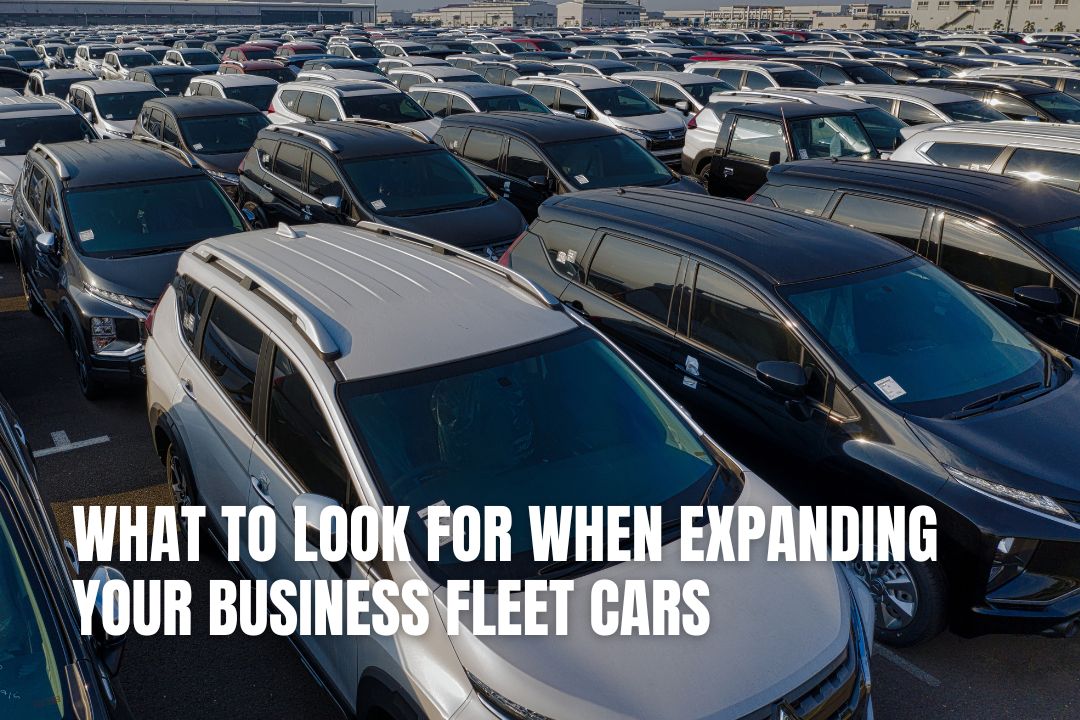
Expanding your business fleet is a big step. Whether you are adding vehicles for sales teams, delivery drivers, mobile technicians, managers, or client-facing staff, the cars you choose can affect costs, productivity, safety, and the way your business is perceived. A fleet should not simply be a collection of vehicles that look good on paper. It should support how your company works day to day.
Before you start comparing models, finance options, and features, take time to think about what your business actually needs from its vehicles. The right choices now can save money, reduce downtime, and make fleet management much easier in the future.

The first thing to consider is the role each vehicle will play. A car used by a sales representative will have different requirements from one used for site visits, deliveries, or transporting equipment. Think about mileage, road conditions, cargo space, passenger needs, and how often the vehicle will be used.
For example, employees who drive long distances may need vehicles with strong fuel economy, comfort, and driver-assistance features. Teams carrying tools or products may need more storage, durable interiors, or easy loading access. If employees regularly visit clients, appearance may also matter, as your fleet can become part of your brand image.
It can be tempting to focus on the sticker price, but the real cost of a fleet vehicle goes far beyond what you pay upfront. Fuel, maintenance, insurance, depreciation, financing, repairs, and resale value all need to be factored in.
A slightly more expensive vehicle may be cheaper in the long run if it is more reliable, more fuel efficient, or holds its value better. On the other hand, a lower-cost vehicle could become expensive if it requires frequent repairs or is not suited to the job. Create a realistic cost comparison before making a decision, especially if you are buying multiple vehicles at once.
Downtime is one of the biggest hidden costs in fleet management. When a vehicle is off the road, your business may lose time, miss appointments, delay deliveries, or need to arrange temporary transport.
Choose vehicles with a strong reputation for reliability and easy access to parts and servicing. It is also worth considering how convenient maintenance will be. Are there local service centers nearby? Are replacement parts readily available? Can routine servicing be scheduled around your business hours? These details can make a major difference once your fleet grows.
Fuel costs can add up quickly, especially if your team drives daily. When expanding your fleet, compare fuel efficiency across different models and think about whether gas, hybrid, or electric vehicles make the most sense for your business.
Electric or hybrid options may be attractive for companies with predictable local routes, access to charging, and sustainability goals. Traditional gas vehicles may still be more practical for longer journeys, rural routes, or roles that require flexibility. The best choice depends on your routes, mileage, infrastructure, and budget.
Your employees’ safety should be a top priority when choosing fleet cars. Modern safety features can help reduce accidents, protect drivers, and potentially lower insurance costs. Look for options such as blind spot monitoring, lane departure warnings, rearview cameras, adaptive cruise control, automatic emergency braking, and stability control.
It is also worth thinking about driver comfort. Comfortable seating, good visibility, simple controls, and phone connectivity can all help employees stay focused and less fatigued on the road.
Fleet vehicles often represent your company in public, whether they are parked outside a client’s office, driven through town, or wrapped with your branding. The vehicles you choose should match the image you want to project.
A clean, professional, and practical fleet can make your business look more organized and trustworthy. Depending on your industry, you may want vehicles that feel rugged, premium, efficient, family-friendly, or environmentally conscious. Businesses looking for versatile options may compare SUVs, vans, trucks, or crossovers, and local searches such as Jeep for sale San Diego can be useful when exploring vehicles that balance durability, space, and everyday practicality.
As your fleet grows, tracking and managing vehicles becomes more important. Built-in technology can help with navigation, communication, route planning, driver behavior, and maintenance reminders. Some businesses also use fleet management software or telematics to monitor mileage, fuel usage, servicing schedules, and vehicle location.
Before buying, check whether the vehicles can support the systems you plan to use. Even simple features like Bluetooth, smartphone integration, GPS, and digital maintenance alerts can improve daily operations.
When expanding your fleet, do not only think about what you need today. Consider where your business may be in one, three, or five years. Will you need more vehicles soon? Will your team operate in new locations? Will your delivery routes change? Will branding, fuel policy, or sustainability goals evolve?
Choosing vehicles that can scale with your business makes future decisions easier. It may also help you standardize models, simplify maintenance, and create a more consistent fleet policy.
Adding cars to your fleet can affect your insurance, liability, and internal policies. Before purchasing, speak with your insurance provider about coverage options, driver requirements, vehicle classifications, and potential discounts for safety features.
You should also create clear rules for vehicle use, maintenance reporting, accident procedures, mileage tracking, and personal use. A growing fleet needs structure, otherwise small issues can quickly become expensive problems.
Expanding your business fleet is about more than buying more cars. It is about choosing vehicles that support your people, protect your budget, and help your company operate more efficiently. By considering usage, reliability, safety, costs, technology, and long-term growth, you can build a fleet that works hard for your business every day.
The most critical factor is the vehicle's intended role. How you will use the car, whether for long motorway journeys, city deliveries, or client visits, should guide every other decision, from fuel type and cargo space to safety features and brand image.
You should always focus on the total cost of ownership. The initial price is just one part of the equation. A cheaper car might cost you more over time through higher fuel consumption, frequent repairs, and poor resale value. Calculating the total cost gives you a much more accurate financial picture.
To ensure reliability, choose models with a proven track record for dependability and low maintenance costs. Research manufacturer reputations and read reviews from other fleet managers. Also, consider the availability of local service centres to make routine maintenance straightforward and minimise downtime.
Even for a small fleet, management technology can be very beneficial. Systems that track mileage, fuel use, and service schedules help you stay organised and control costs. Some solutions, like those from Beacon Inside, are scalable and can support your business as it grows.
Your fleet vehicles are a direct reflection of your company. A clean, modern, and well-maintained fleet presents a professional and trustworthy image to the public and your clients. The type of vehicle you choose also sends a message, whether it is about sustainability, practicality, or quality.