October 14, 2025

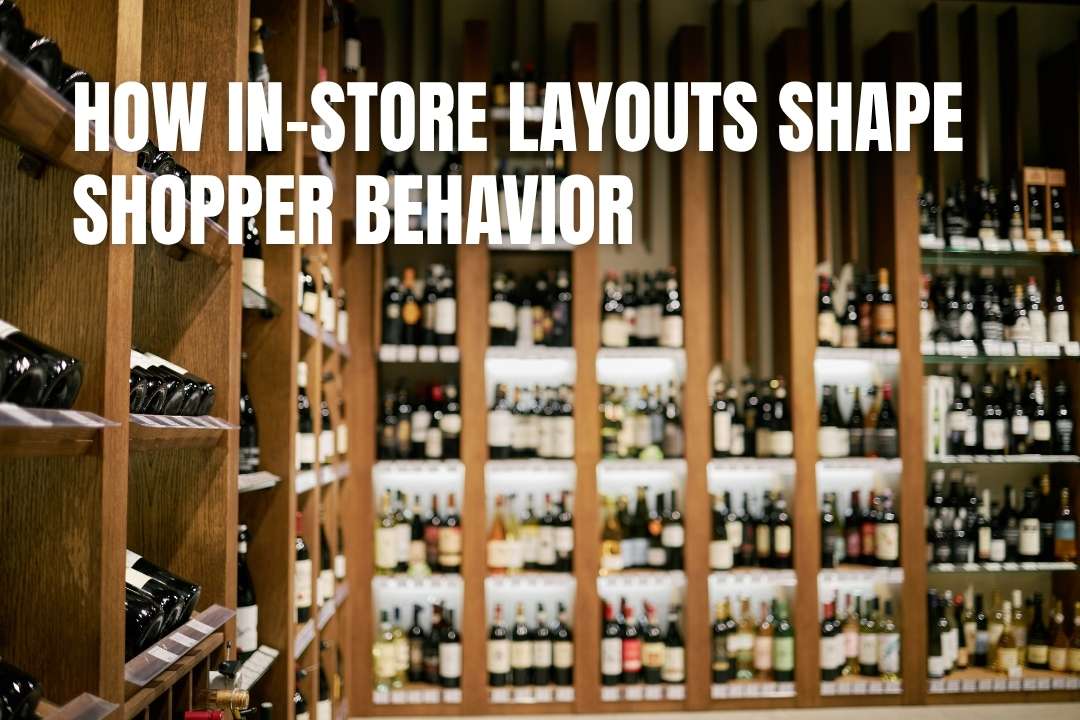
A store's layout does more than organize products. It influences how customers move through the space, what they notice, how long they stay, and ultimately what they buy. While pricing and product selection remain important, the physical arrangement of a retail store can have a significant impact on shopper behavior. Businesses that understand these patterns can create a more efficient and engaging customer experience.

The entrance sets the tone for the entire shopping trip. When customers walk through the door, they immediately begin forming opinions about the store. Clean, open entryways help shoppers feel comfortable and encourage them to continue exploring.
Many retailers use front-of-store displays to highlight seasonal products, promotions, or new arrivals. These displays help capture attention and introduce customers to merchandise they may not have planned to purchase. A strong entrance creates momentum that carries shoppers deeper into the store.
Customers tend to follow predictable paths while browsing. Store layouts often guide visitors through specific areas before they reach their intended destination. This increases exposure to additional products and encourages discovery.
Wide aisles, clear signage, and logical department placement help customers move comfortably throughout the space. Confusing layouts can create frustration and shorten shopping trips. Retailers who carefully study customer movement patterns can make adjustments that improve both convenience and product visibility.
Where products are placed can affect how often they are noticed. Items positioned at eye level typically receive more attention than products placed on high or low shelves. Frequently purchased products are often placed in locations that encourage customers to pass other merchandise along the way.
Complementary products may also be displayed together. For example, a shopper looking for pasta may notice sauces, seasonings, or kitchen tools nearby. These placement decisions help customers discover related items while making shopping more convenient.
Displays create visual points of interest throughout a store. End caps, promotional tables, and featured product sections often attract attention because they stand apart from standard shelving. These areas are commonly used to showcase new products, limited-time offers, or seasonal merchandise.
Many retailers use tools such as the MODify retail merchandising system to help organize displays and maintain consistent product presentation across locations. Well-designed displays can encourage shoppers to spend more time exploring the store.
People tend to stay longer in stores where they feel comfortable. Lighting, aisle width, cleanliness, temperature, and overall organization all contribute to the shopping experience. Customers are more likely to browse when they can move through the store easily and find products without difficulty. Even small improvements in comfort can influence how shoppers interact with the space and how much time they spend inside.
Store layouts influence far more than appearance. Businesses that thoughtfully organize their stores can create a smoother shopping experience while encouraging customers to explore more of what the store has to offer.

Layout shapes how customers move, what they notice, and how long they stay, which increases exposure to products and encourages additional purchases.
The entrance sets the tone for the trip, and clean, open entryways with strong front-of-store displays build momentum that carries shoppers deeper inside.
Eye-level positions receive the most attention, and frequently purchased items are often placed so customers pass other merchandise on the way.
End caps, promotional tables, and featured sections stand apart from standard shelving, drawing attention to new products, offers, and seasonal items.
Yes. Lighting, aisle width, cleanliness, and organization all affect how easily customers move and how long they choose to stay.