October 28, 2025


Lighting influences how customers feel, move, and decide inside a retail space. Beyond visibility, it shapes mood, highlights products, and reinforces brand identity. When applied with intention, lighting becomes a silent guide that supports exploration and confidence, turning a simple visit into an engaging experience.

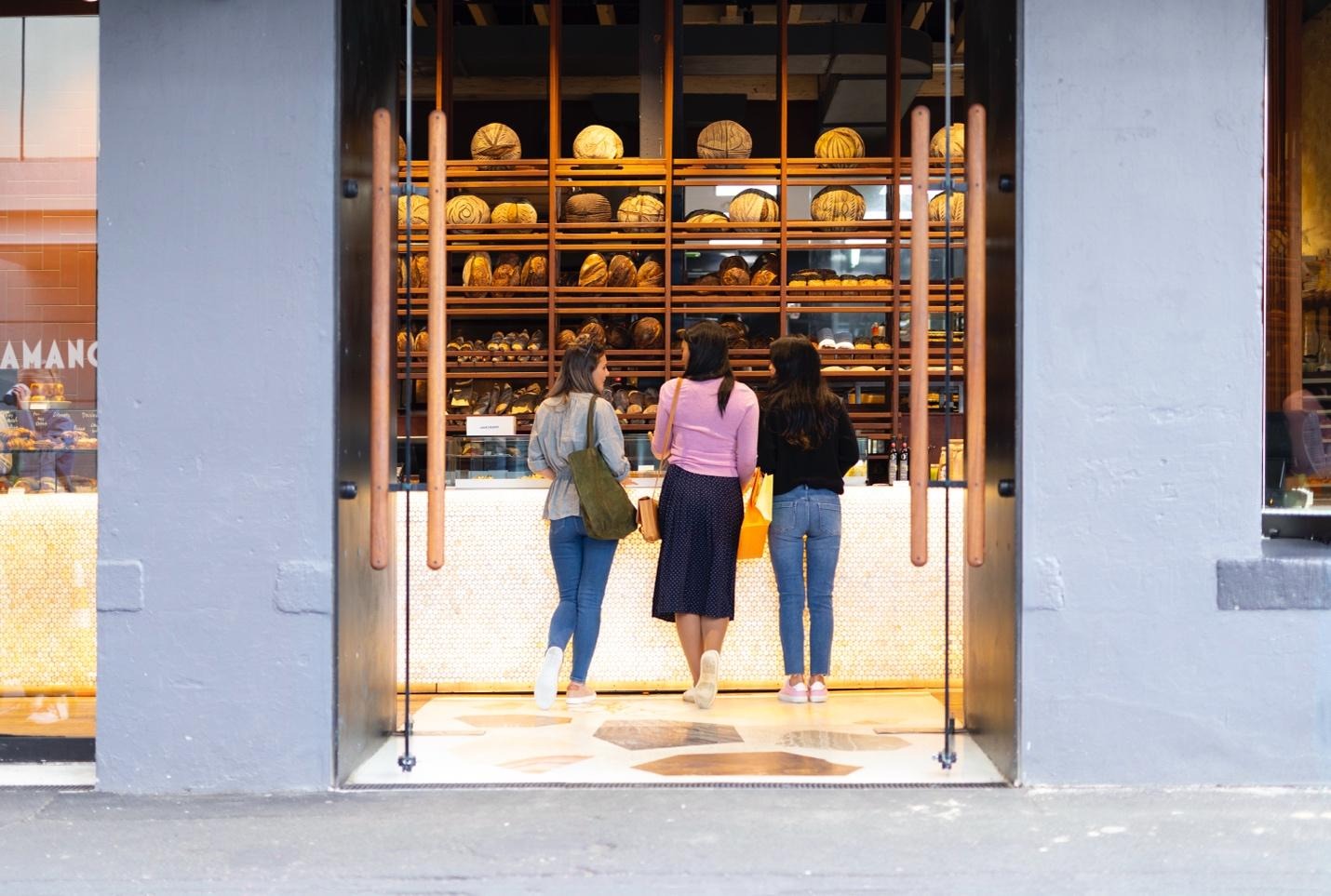
The moment customers enter a store, lighting sets expectations. Warm light creates comfort and encourages browsing, while cooler tones suggest efficiency and clarity. Grocery stores, boutiques, and electronics retailers each benefit from different lighting temperatures based on how shoppers interact with products.
Consistent illumination prevents visual fatigue and reduces stress. When customers feel relaxed, they are more likely to spend time in the space and engage with displays rather than rushing through aisles.
Lighting helps direct traffic without signs or instructions. Brighter paths naturally attract attention, while softer lighting signals transitional or resting areas. This subtle guidance keeps customers moving through the entire store instead of clustering near entrances or high-visibility sections.
Accent lighting can draw shoppers toward featured collections or seasonal displays. By creating visual landmarks, retailers encourage exploration and reduce overlooked zones that often suffer from low engagement.
Product-focused lighting brings out texture, color, and detail. Apparel benefits from even illumination that avoids harsh shadows, allowing shoppers to see true fabric tones. Jewelry and accessories shine under focused light that adds depth and sparkle without glare.
For food and home goods, proper lighting enhances freshness and quality perception. Customers trust what they can clearly see, and that trust supports purchasing decisions.
Lighting reinforces brand values just as much as signage or layout. Minimalist brands often use clean, even lighting to reflect simplicity, while luxury retailers favor layered lighting that adds dimension and intimacy.
Well-lit environments benefit employees as much as customers. Adequate lighting reduces eye strain, improves accuracy, and supports faster service. Clear visibility at checkout counters and stock areas minimizes errors and accidents.
Behind the scenes, proper lighting in storage and workspaces helps teams operate efficiently. Safe, comfortable conditions support morale and productivity throughout the day.
Modern retail lighting systems offer flexibility and efficiency. LED solutions allow for easy adjustments based on time of day, traffic patterns, or promotions. Smart controls reduce energy use while maintaining consistent quality.
Behind these systems is a reliable electrical infrastructure. Coordinating lighting upgrades with industrial electrical services ensures installations meet safety standards and support long-term performance without disruption.
Lighting strategies should evolve with customer behavior. Sales data, dwell time, and feedback help retailers understand which areas benefit most from adjustment. Small changes can deliver noticeable improvements without major renovation.
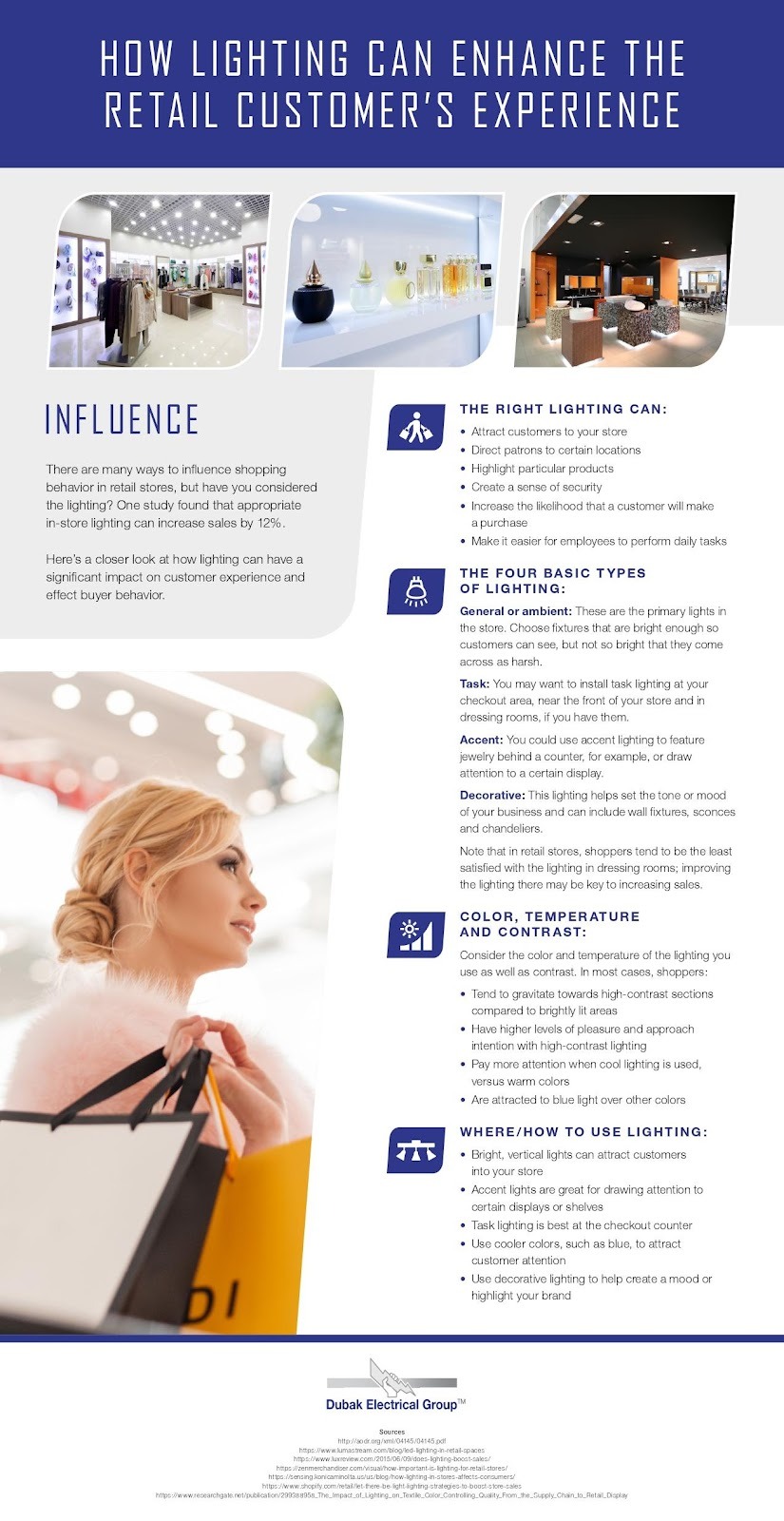
Lighting is more than a functional requirement. It shapes perception, movement, and comfort in ways customers may never consciously notice. By treating lighting as a strategic element, retailers create spaces that feel inviting, intuitive, and worth returning to, supporting both experience and results. Check out the infographic below for more information.
Lighting directly influences the emotional atmosphere of your store. Warm lighting tends to create a cosy, relaxing feeling, which can encourage customers to take their time and browse. In contrast, cooler, brighter light often conveys a sense of efficiency and clarity, which might be better for quick-service environments.
Yes, it's a powerful and subtle way to direct customer flow. People are naturally drawn to brighter areas, so you can create illuminated paths to guide them through different sections. Using focused accent lights on specific displays also pulls attention towards products you want to feature.
The right lighting makes your products look their absolute best. For clothing, it ensures colours appear true and textures are visible. For jewellery, it adds sparkle and depth. For food, it enhances the look of freshness. This visual confirmation builds customer trust and directly supports their decision to make a purchase.
Absolutely. A well-lit environment is crucial for staff performance and well-being. It reduces eye strain, helps with accuracy during tasks like restocking or operating the till, and improves overall safety in both public and staff-only areas.
Your lighting strategy should align with your brand's personality. A minimalist brand might use clean, uniform lighting to reflect simplicity. A luxury brand could use layered, dramatic lighting to create a more exclusive and intimate atmosphere. It's a key part of your store's non-verbal communication.